OSSARTH
An Open-Source Customizable LLM-Based Operating System
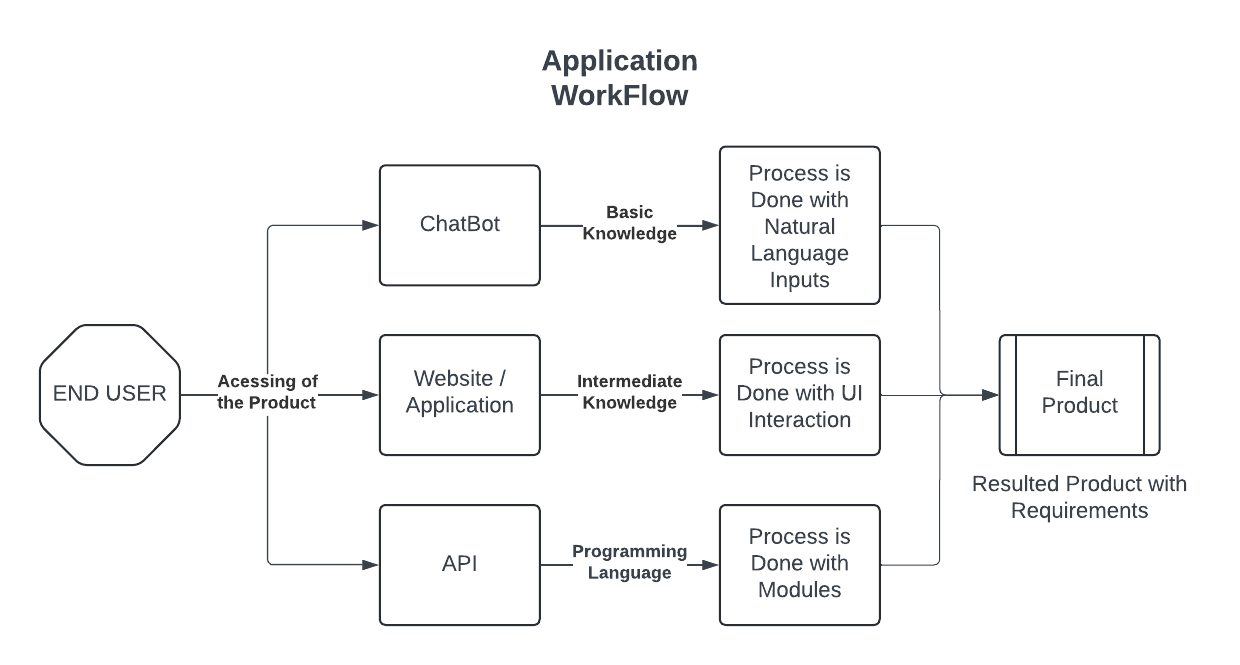
OSSARTH represents a paradigm shift in human-computer interaction, introducing a natural language interface layer that replaces traditional GUI and CLI paradigms. Built on the LangChain framework with Llama 3.2, it enables users to control their operating system through conversational commands while maintaining the efficiency of native system operations.
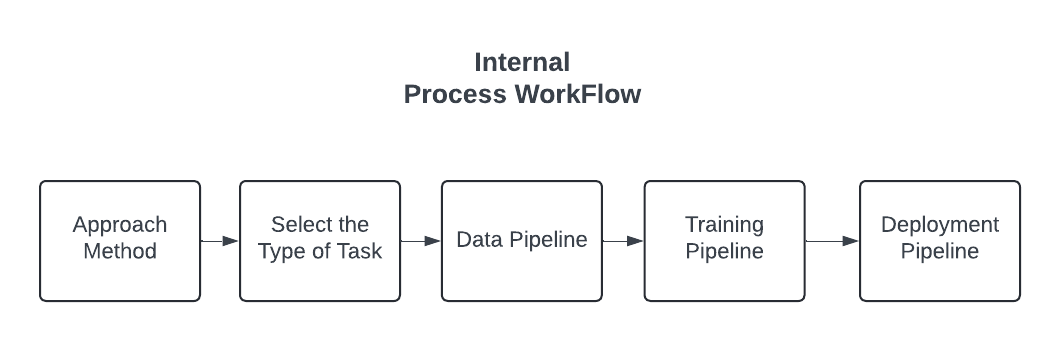
2023 - 2024
Theoretical foundations and literature review on LLM-OS integration
2024 - 2025
Prototype development and V0.1 release at VEC Expo
2025 - Ongoing
Production-grade system development and optimization
Siddharth Magesh
Lead Developer & AI Systems Architect
Deepak Kumar M
AI Model Integration Specialist
Beno Dharmaraaj P J
System Architecture & Deployment
Priya M
Faculty Advisor & Research Supervisor
Research paper published in national conference proceedings. Version 0.1 demonstrated at Velammal Engineering College Expo with positive reception. Active development continues toward production release.
OSSARTH introduces a revolutionary approach to operating system interaction through a customizable LLM-based Operating System (LLMOS) that transcends traditional GUI and CLI limitations. The system enables users to modify and extend functionality according to their specific requirements through natural language commands, featuring multilingual natural language processing, AI-driven system customization, and cross-platform compatibility. Built using the LangChain framework with Llama 3.2 7B for local inference, OSSARTH provides an intuitive interaction model without traditional GUI constraints while preserving the efficiency and power of command-line operations.
Technical Architecture
AI Framework
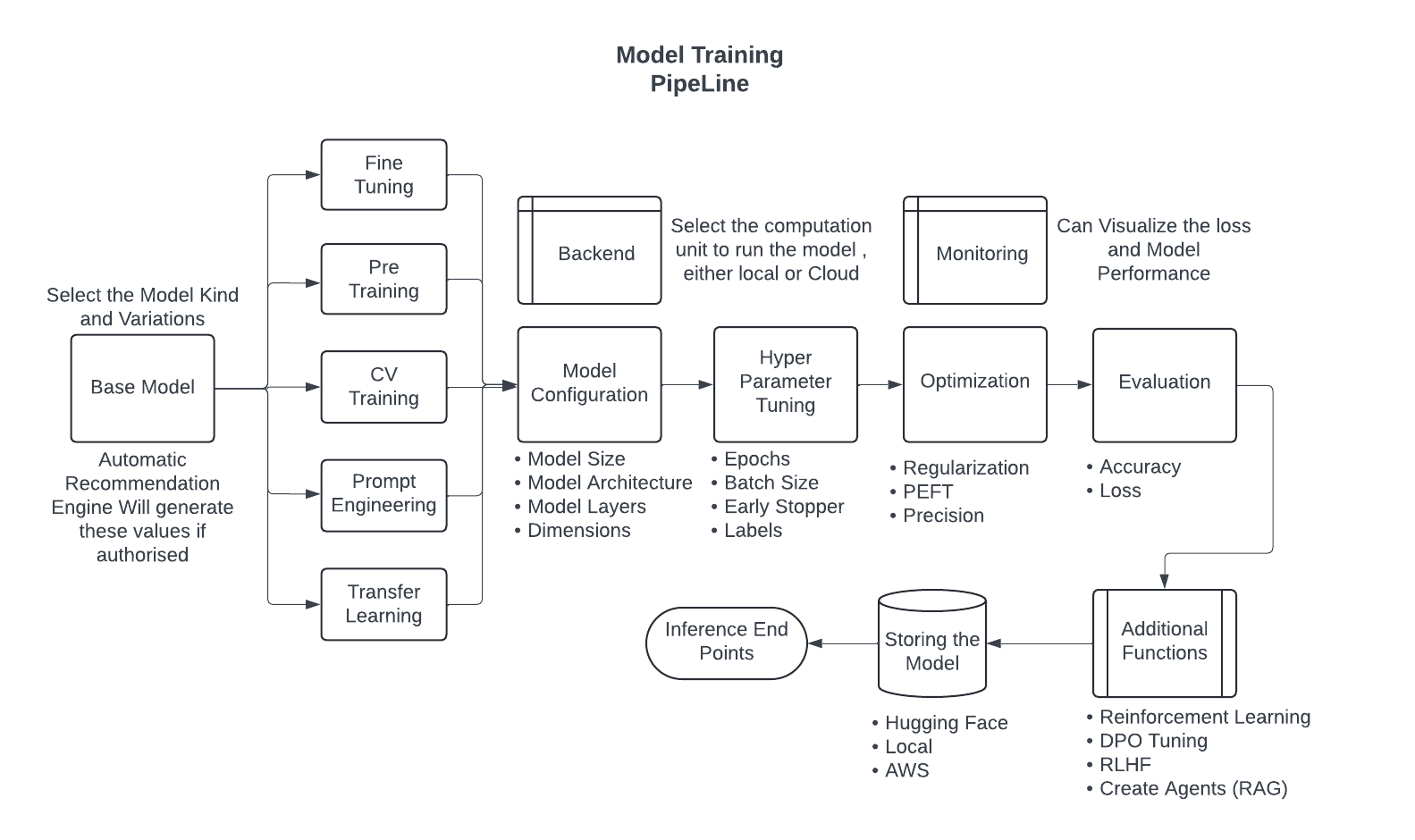
LangChain with Function Calling (Tool Calling) capabilities for structured AI-system interaction and dynamic tool orchestration.
Language Model
Llama 3.2 7B with local inference via Ollama, ensuring privacy-preserving computation without cloud dependency.
System Architecture
Agent-based AI system with Flask web interface, supporting modular tool integration and extensible command patterns.
Test Environment
AMD Ryzen 7 5000 Series, NVIDIA RTX 3050 (4GB VRAM), 32GB RAM, demonstrating consumer-grade hardware viability.
Base OS Layer
OSSARTH foundation layer providing user-defined modification capabilities and system-level integration hooks.
PyPI Module
Ossarth Python framework enabling developers to create custom AI tools and extend system functionality programmatically.
Imager Application
Deployment tool for flashing customized OSSARTH images to target devices with configuration persistence.
Web Interface
Flask-based application serving an OS-like environment accessible via browser with full system control capabilities.
Key Innovation Areas
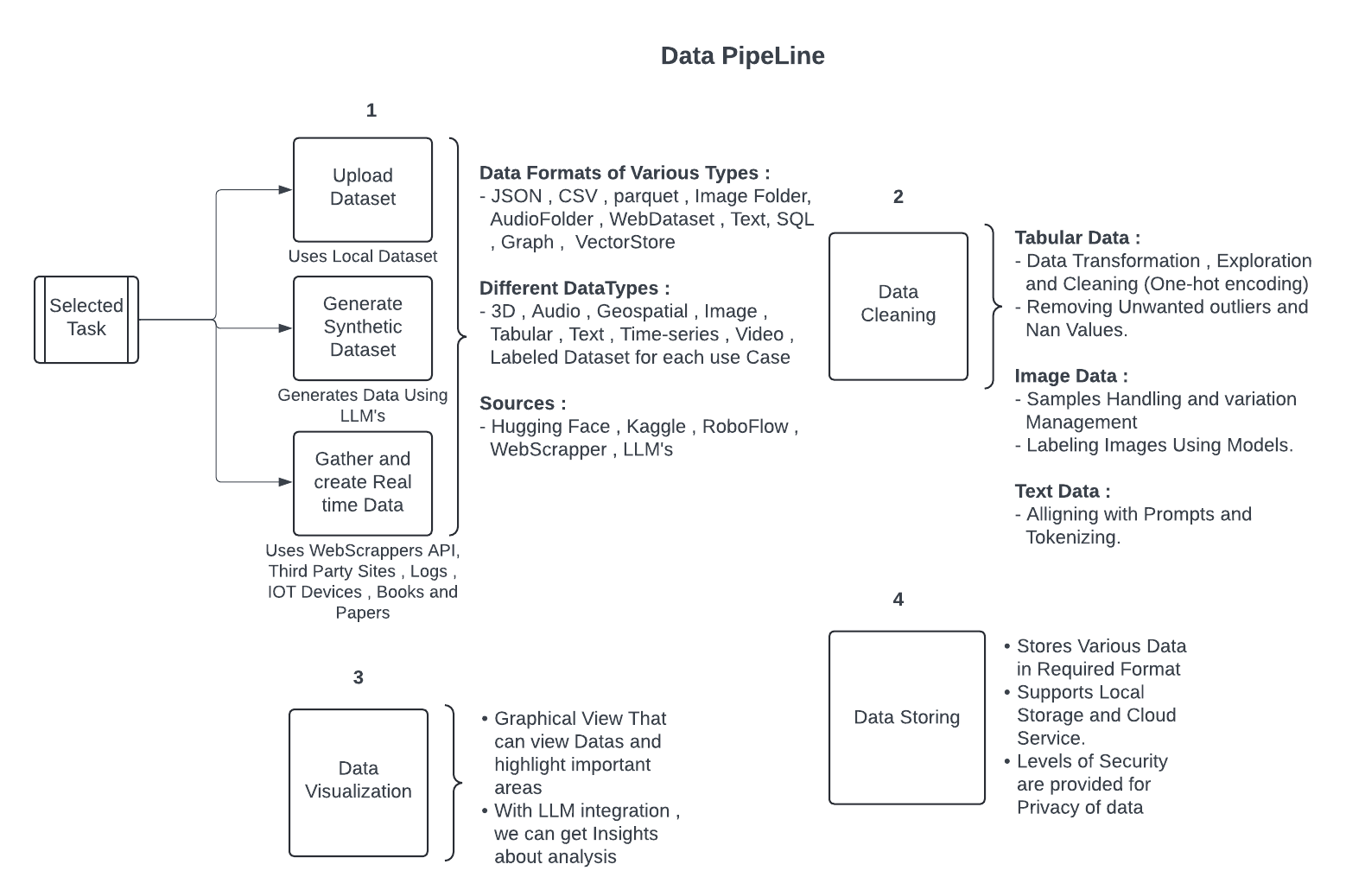
Execute system operations through conversational interfaces in multiple languages
Create custom tools and automation scripts through natural language descriptions
Compatible with Windows, Linux, and macOS through unified abstraction layer
Technology Stack
Implementation Methodology
Customization Workflow
Installation
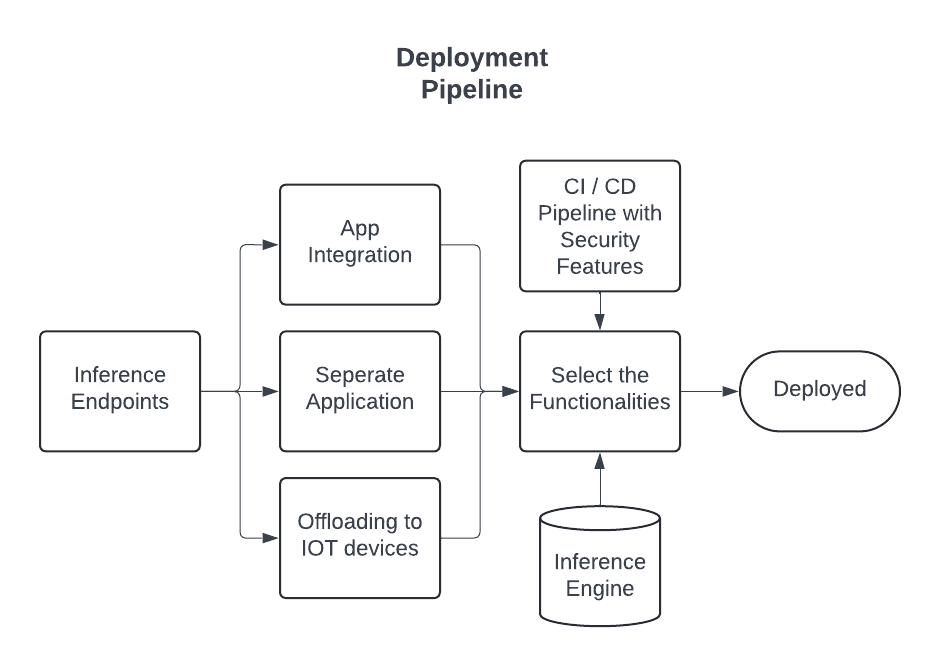
Deploy via PyPI package manager or clone from GitHub repository
Tool Creation
Define Python-based custom AI tools using the built-in tool manager API
Integration
Dynamic function generation with automatic storage and LangChain binding
Deployment
Flash customized configuration using the OSSARTH Imager application
Device Expansion
Raspberry Pi, IoT devices, ARM-based architectures
PyPI Module Ecosystem
Ossarth-Community for collaborative tools, Ossarth-External for device integration
GUI Platform
Web-based drag-and-drop system for non-programmers
Performance Optimization
Multi-threaded processing, enhanced CUDA support, reduced inference latency
Security Enhancements
Granular access control, encrypted data handling, secure API integrations
3rd Place Winner
OSSARTH received recognition as 3rd Place Winner for its innovative approach to AI-powered operating system development. The project was acknowledged for its groundbreaking implementation of natural language interface in operating systems and its potential to revolutionize human-computer interaction paradigms.
Organizing Body: Velammal Engineering College
Category: AI/ML Innovation